Common Questions about Electrolysis Hair Removal
How Many Treatments Will I Need?
Many factors influence hair growth: you will need a course of treatment. The total number of sessions needed to remove hair permanently from a particular area will vary from person to person. Every client has different needs: electrolysis is specifically tailored to you for best results.

Electrolysis Myths
Myth: Electrolysis is painful
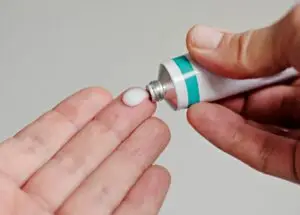
In most cases, electrolysis causes very little discomfort. Modern electrolysis methods have reduced the sensation to a minimum for most clients. A topical anaesthetic cream may be used if needed, with great success. It can be bought over the counter from any pharmacy.
Myth: Electrolysis is expensive
Electrolysis is the only permanent treatment: costs are very low compared to a lifetime of temporary methods. Some areas respond more quickly than others, such as nipples, back, eyebrows and navel.
Myth: Temporary methods of hair removal are better
Depilatory creams are often used to remove facial and body hair. These products can be time-consuming to use, messy, and cause skin irritation due to their strong chemical formulations. Results usually last 7-10 days.
Bleaches also contain strong chemicals and do little to disguise dark hair. They can occasionally discolour skin.
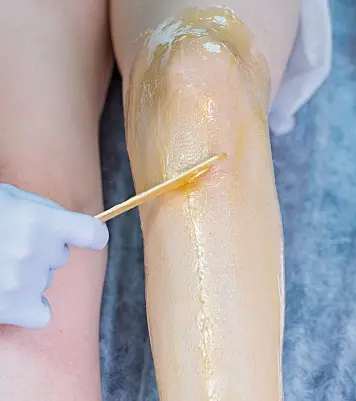
Salon waxing lasts longer (around three to eight weeks), but hair needs to be grown beforehand for successful removal. Home waxing kits are available, but they can be expensive and difficult to remove. The wax temperature is very important: if too high, the skin can burn.
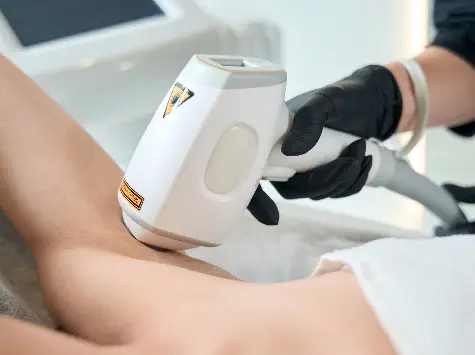
Laser/IPL needs dense pigment within the hair to travel down to the root, so it doesn’t work on lighter hair colours. If the skin is darker than the hair, there is a risk of pigment disruption – only certain types of laser are recommended for darker skin. There is also a risk of Paradoxical Hypertrichosis, where hair growth is stimulated by laser energy in some clients.
https://www.blackskindirectory.com/library/8bd1457bu9f3e9s1os0vitfpj2uaja
https://onlinelibrary.wiley.com/doi/epdf/10.1002/der2.70038
Laser is classed as hair reduction, so a proportion of treated hairs will not be fully eliminated. Some practitioners use laser to reduce the numbers, before removing the remainder with electrolysis.
Home lasers and electrolysis kits can be bought for own use, but they are expensive, difficult to use without training and not very successful. They can also cause injury if not properly used.
Plucking and Threading pull out hairs using either tweezers or thread. Results last around the same length of time as waxing, but treatment takes much longer. Plucking can cause skin damage over time, as people often dig into the skin to grasp short hairs as they are coming through.