
Diabetes and Electrolysis
Diabetes
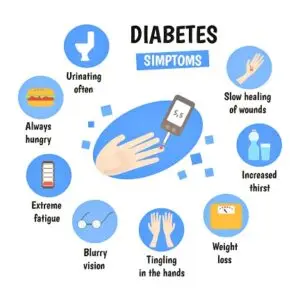
This is where the body cannot use sugar effectively, and it builds up in the blood circulation. It is then excreted via the kidneys in urine.
Diabetes can be Genetic or as a result of pancreatic disease. Endocrine disorders such as Acromegaly and thyroid problems can lead to Diabetes, too. It can also result from an autoimmune condition where the body’s immune system destroys Beta Cells (insulin-producing cells), so you cannot produce your insulin.
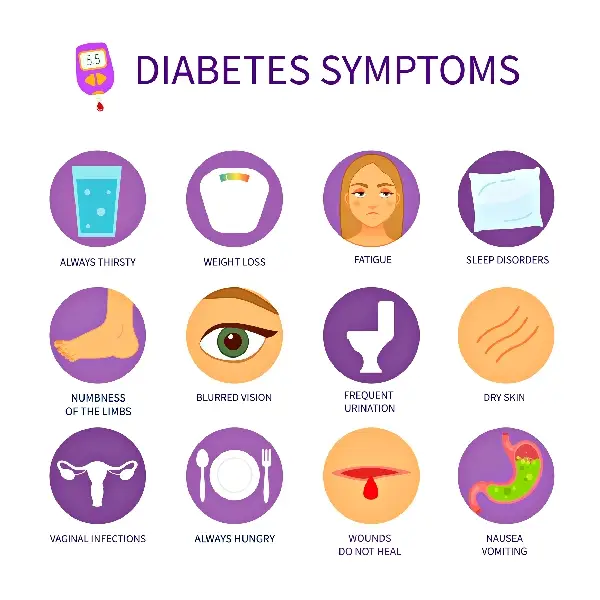
The “4 Ps of Diabetes” refer to classic symptoms caused by high blood sugar: Polyuria (frequent urination), Polydipsia (excessive thirst), Polyphagia (excessive hunger), and sometimes Polyneuropathy (nerve damage) or Weight Loss (unexplained). These symptoms arise as the body tries to flush out excess glucose, leading to dehydration and energy deprivation, prompting increased thirst, hunger, and urination, while nerve issues can develop over time.
The 4 Ps Explained
- Polyuria (Frequent Urination):
High blood sugar forces the kidneys to work harder to filter and absorb it, pulling more water from the body, resulting in more frequent and voluminous urination.
- Polydipsia (Excessive Thirst):
Frequent urination leads to dehydration, triggering intense thirst as the body tries to replenish lost fluids.
- Polyphagia (Excessive Hunger):
Cells can’t get enough glucose for energy (due to lack of insulin or insulin resistance), so the brain signals for more food, leading to constant hunger even after eating.
- Polyneuropathy/Weight Loss (Nerve Damage/Weight Loss):
Unexplained weight loss can occur as the body breaks down fat and muscle for fuel. Over time, high glucose can damage nerves, causing numbness, tingling, or pain, particularly in the hands and feet (polyneuropathy).
Why They Happen
These symptoms are a cascade effect of uncontrolled blood sugar (hyperglycemia).
- Kidneys: Filter excess sugar, drawing water with it (polyuria).
- Cells: Starve for energy because glucose stays in the blood (polyphagia).
- Body: Becomes dehydrated (polydipsia) and breaks down fat/muscle (weight loss).
When to See a Doctor
Type 1 Diabetes
People with type 1 diabetes must have daily insulin injections to maintain blood glucose levels, as the pancreas cannot produce insulin. It causes high levels of glucose in the blood, excess urine production and, in some cases, extreme weight loss. If left untreated, Diabetics could fall into a diabetic coma.
Type 2 Diabetes
This is the most common type of Diabetes. The pancreas produces some insulin but not enough to cope with blood sugar levels. This is known as insulin resistance, which can lead to complications if left untreated. By following a healthier diet and lifestyle and losing weight, Type 2 diabetics can often go into remission.
Diabetes can cause issues with eyesight, poor skin healing, loss of skin sensation and result in unwanted hair growth.
Electrolysis and Diabetes
Electrolysis can be used to treat unwanted hair growth that may occur. Still, the condition must be closely monitored along with any symptoms, such as poor skin healing and loss of skin sensation. Your electrolysist will have to contact your doctor to confirm that there is no medical reason why you shouldn’t receive Electrolysis treatment due to your diabetes. Treatments will be monitored carefully to see how your skin responds to the treatment. Shorter treatments will be recommended, and it will be necessary to thin hair growth by initially spacing out the individual hairs treated to minimise skin reactions. Treatments will be spaced out over more extended periods of time to allow for appropriate skin healing to take place. Suppose the condition escalates or the skin is slow to heal. In that case, it may be necessary to halt treatment temporarily to allow the skin to heal correctly and periods of instability to settle.
Here are some links for further information and advice on Diabetes:
https://www.bhf.org.uk/informationsupport/risk-factors/diabetes
https://www.drwf.org.uk/understanding-diabetes/information-leaflets/